he Barcelona coach doesn't just manage a football team;he manages a cultural institution. At Camp Nou, the weight of expectation is measured in trophies, but the method matters just as much. A coach who wins without style feels temporary. A coach who plays beautifully but finishes second feels unfinished. This duality defines the job. Xavi Hernández lived it as a player and then as a manager. His tenure showed how quickly a legend can become a lightning rod. The Barcelona coach must balance the board's demands。the dressing room's egos, and the fanbase's memory of Pep Guardiola's peak. It's a trilemma that few survive unscathed.Tactically, the Barcelona coach inherits a blueprint: positional play, high pressing, and a midfield that controls tempo. But football evolves. The 4-3-3 isn't a magic formula anymore. Opponents have learned to sit deep and counter. The modern Barcelona coach must adapt without abandoning identity. When Xavi tried a more direct approach, critics called it betrayal. When he stuck to slow build-up, they called it predictable. The truth is, no single system guarantees success. The coach's real task is to build a squad that can execute multiple plans. That requires time and transfer market savvy—two things Barcelona has lacked recently. Financial constraints mean the coach often works with academy graduates and free transfers. La Masia remains a lifeline。but relying on teenagers week in, week out is a gamble.Man-management at this level is brutal. Stars like Lewandowski, Pedri, and Gavi have strong personalities. The Barcelona coach must earn their respect without pandering. I recall a press conference where Xavi defended a player publicly but later admitted privately that accountability was non-negotiable. That balance—protecting the group while demanding more—separates good coaches from great ones. The Catalan media amplifies every rift. A dropped player leaks dissatisfaction. A substitution backfires. The coach's authority erodes quickly if results slip. There's also the president's shadow. Joan Laporta is a hands-on leader who voices opinions. A Barcelona coach who can't manage upward—keeping the board aligned while shielding the team—won't last long.What does success look like for the current Barcelona coach?
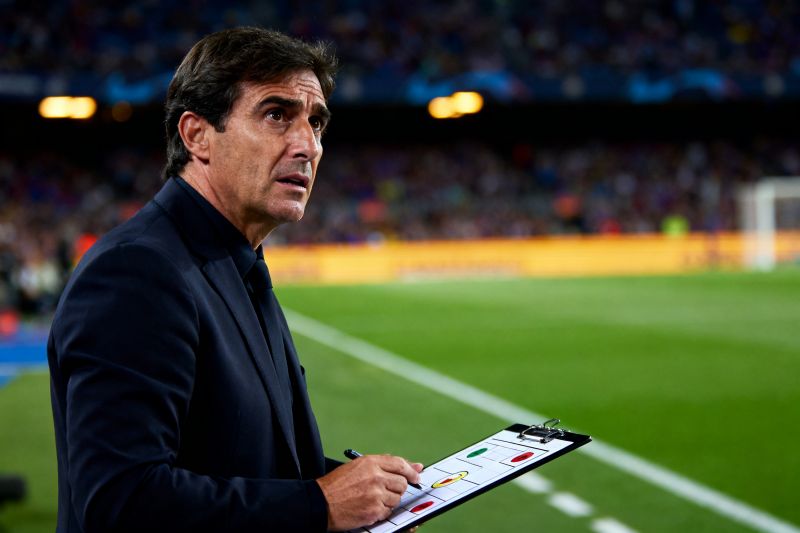
Winning La Liga is the baseline. A deep Champions League run buys patience. But the intangible metric is progress: are young players improving?Is the team's style recognizable?Is there a clear plan beyond individual brilliance?Hansi Flick's appointment brings a new dynamic. He arrives with a reputation for intensity and structural discipline. His Bayern Munich side was relentless. Can he replicate that at Barcelona without the same resources?
Early signs suggest he's willing to trust youth and demand physical output. The Barcelona coach's job is never static. Every transfer window, every injury, every Clásico reshapes the narrative. The only constant is scrutiny. And the only currency is results delivered with a semblance of the club's soul.